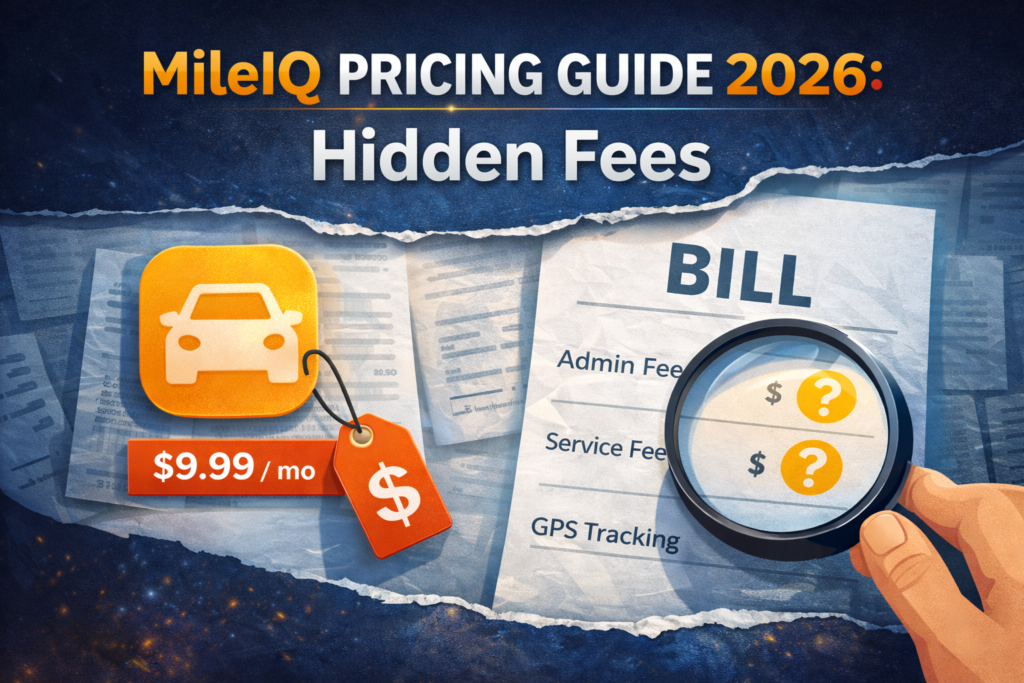
Managing mileage accurately is essential for freelancers, contractors, and small business owners. MileIQ is one of the most recognized mileage tracking apps, but its pricing structure often raises questions. This guide breaks down MileIQ’s pricing, uncovers hidden costs, and helps you decide if it fits your business needs.
Overview of MileIQ Pricing Plans
MileIQ offers a freemium model, allowing users to test the app before committing to a paid subscription.
Free Plan
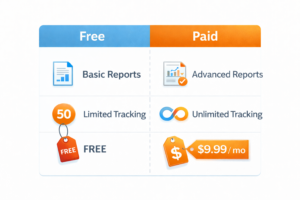
The free version is limited and mainly designed for light users. It allows tracking of up to 40 drives per month, which can be restrictive for frequent drivers. While it includes basic automatic tracking, advanced reporting and exports are locked.
Unlimited Paid Plan
The paid plan removes monthly drive limits and unlocks full reporting tools. Users gain access to detailed mileage logs, IRS-compliant reports, and cloud-based storage for records. Pricing is usually offered on monthly or annual billing, with annual plans providing better value.
Hidden Fees and Limitations You Should Know
Although MileIQ appears straightforward, there are several hidden or overlooked costs users should consider:
Drive Limit Restrictions
Many users start on the free plan and unknowingly exceed the drive limit, forcing an upgrade sooner than expected.
Export and Report Access
Advanced reports, CSV exports, and tax-ready summaries are only available on paid plans. These are essential for accountants and business filings.
Cloud Dependency
Your mileage data is stored in the cloud. Long-term access requires an active subscription, meaning you may lose full usability if you cancel.
Price Changes After Promotions
Discounted first-year pricing may increase during renewal, which surprises many users who do not check renewal terms.
Is MileIQ Worth the Price for Businesses?
For full-time drivers, consultants, and small business owners, MileIQ provides strong automation and accuracy. The time saved by automatic tracking alone can justify the subscription.
However, occasional drivers may find the free plan too limited and the paid version expensive compared to alternatives offering similar features at lower costs.
MileIQ vs Free Mileage Tracking Apps
Free alternatives often require manual input or lack IRS-ready reporting. MileIQ stands out for its hands-free tracking and classification accuracy, but that convenience comes at a premium.
If you value automation and compliance, MileIQ performs well. If budget is your top priority, other apps may deliver sufficient functionality without ongoing fees.
Who Should Choose MileIQ in 2026
MileIQ is best suited for:
Freelancers with frequent client travel
Small business owners needing tax-compliant records
Consultants who value automation over manual logging
It may not be ideal for:
Casual drivers
Users seeking a completely free long-term solution
Businesses managing multiple drivers under one account
Final Verdict on MileIQ Pricing
MileIQ’s pricing reflects its premium positioning. While there are no extreme hidden charges, the limitations of the free plan and reliance on subscription access can feel restrictive. For users who depend on mileage tracking for tax savings, the paid plan often pays for itself through accurate deductions.
Conclusion
MileIQ offers reliable mileage tracking with a polished user experience, but its pricing structure favors frequent drivers and professionals. The free plan is useful for testing, yet serious users will need a paid subscription to unlock real value. Understanding the limitations and potential hidden costs helps ensure there are no surprises. If automation, accuracy, and compliance matter to your business, MileIQ remains a strong contender in 2026.