

Motus is widely used by businesses to manage mileage tracking and vehicle reimbursement for mobile employees. While it is known for accuracy and compliance, many organizations struggle to understand its pricing structure. This guide explains Motus pricing in detail, uncovers potential hidden fees, and helps businesses decide whether the platform delivers real value in 2026.
Understanding How Motus Pricing Works
Motus pricing is different from typical mileage tracking apps. Instead of offering simple consumer subscriptions, Motus focuses on business and enterprise clients. Pricing is usually customized based on company size, usage volume, and reimbursement model.
This approach makes Motus flexible but less transparent for first-time buyers.
Motus Pricing Models Explained
Motus generally uses per-user or per-driver pricing, combined with reimbursement calculations. While exact figures are not publicly listed, costs depend on several variables.
Per Driver Subscription Cost
Businesses typically pay a monthly or annual fee for each active driver. This fee covers access to the Motus platform, reporting tools, and mobile app usage.
Reimbursement Program Costs
Motus supports reimbursement programs such as:
Fixed and Variable Rate (FAVR)
Flat car allowance programs
These programs may include additional administrative or setup fees depending on complexity.
What Is Included in Motus Pricing
Motus pricing usually includes:
Android and iOS app access
Automatic mileage tracking
Reimbursement calculations
Policy enforcement
IRS-compliant reporting
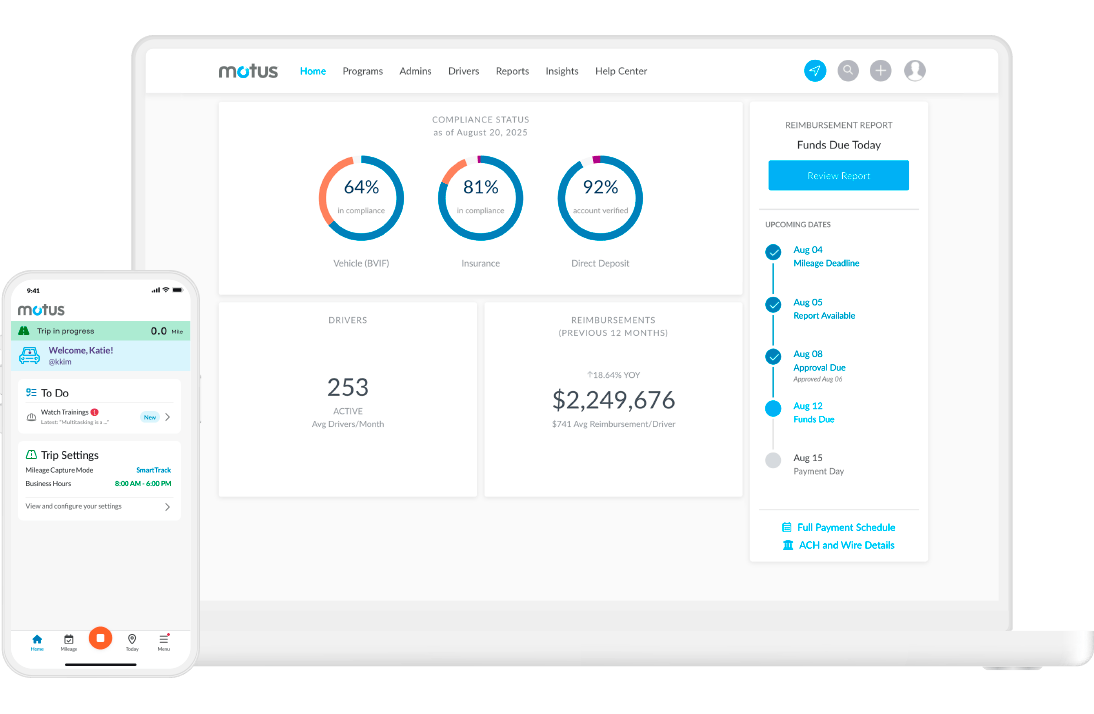
Admin dashboards and analytics
These features are designed to replace spreadsheets and manual reimbursement systems.
Hidden Fees Businesses Should Watch For
Although Motus does not advertise surprise charges, some costs may not be obvious upfront.
Implementation and Setup Fees
Some organizations may be charged one-time onboarding or setup fees, especially for large teams or customized reimbursement policies.
Minimum User Requirements
Motus may require a minimum number of drivers to start a contract. Smaller teams could pay more per user compared to larger organizations.
Customization Costs
Advanced policy customization, reporting features, or integrations with payroll and HR systems may add to the total cost.
Contract Commitments
Motus often operates on annual contracts. Early termination or changes in driver count may affect billing.
Motus vs Flat Mileage Rate Costs
Many businesses compare Motus pricing with the IRS standard mileage rate. While the flat rate is simple, it may overpay or underpay employees depending on vehicle and location.
Motus uses real-world cost data, which can reduce reimbursement expenses while remaining compliant. For some companies, these savings offset the platform cost.
Is Motus Expensive Compared to Alternatives?
Motus is generally more expensive than basic mileage tracking apps. However, it delivers more value for businesses that need:
Compliance enforcement
Fair reimbursement calculations
Centralized reporting
Audit-ready documentation
For casual or individual users, Motus may feel costly and unnecessary.
Motus Pricing for Small Businesses
Small businesses may find Motus pricing challenging due to minimum user requirements. However, for companies with multiple drivers, Motus can reduce administrative workload and reimbursement errors.
The long-term savings often come from improved accuracy rather than lower upfront costs.
Motus Pricing for Enterprises
For enterprises, Motus pricing scales efficiently. Larger teams benefit from:
Volume-based pricing
Automated compliance
Reduced manual processing
Detailed analytics
In these cases, Motus can lower overall reimbursement and administrative costs.
Does Motus Have a Free Trial?
Motus does not typically offer a traditional free plan. However, businesses can request demos or pilot programs to evaluate features before committing.
These trials help decision-makers assess value and cost alignment.
Common Misconceptions About Motus Pricing
Some businesses assume Motus is overpriced because there is no public pricing page. In reality, pricing reflects customization and compliance features not found in consumer apps.
Another misconception is that Motus only benefits large enterprises. In fact, mid-sized teams often see strong ROI.
How Motus Pricing Impacts ROI
Return on investment comes from:
Reduced over-reimbursement
Fewer reimbursement disputes
Lower audit risk
Less administrative time
When these factors are considered, Motus pricing often becomes more reasonable.
Ways to Reduce Motus Costs
Businesses can reduce costs by:
Accurately forecasting driver counts
Avoiding unnecessary custom features
Reviewing contracts annually
Using reporting tools to optimize reimbursement policies
Strategic planning ensures better cost control.
Motus Pricing Transparency: What to Ask Sales
Before signing a contract, ask about:
Per-driver costs
Setup or onboarding fees
Contract length
Scalability options
Integration costs
Clear communication prevents unexpected expenses later.
Who Should Choose Motus Despite the Cost
Motus is best for:
Companies with frequent driving employees
Businesses prioritizing compliance
Organizations replacing outdated reimbursement systems
Teams operating across multiple regions
It is less suitable for individual freelancers or occasional drivers.
Future of Motus Pricing in 2026
As reimbursement regulations evolve, platforms like Motus are likely to remain premium solutions. Pricing may increase with added analytics and automation, but value will also grow for compliance-focused organizations.

Conclusion
Motus pricing may appear complex at first, but it reflects a compliance-driven, enterprise-grade solution. While hidden fees such as setup costs and contract commitments exist, they are typically disclosed during sales discussions. For businesses managing mobile teams, Motus can deliver long-term savings through accurate reimbursement and reduced administrative work. Understanding the full pricing structure ensures informed decisions and prevents surprises.