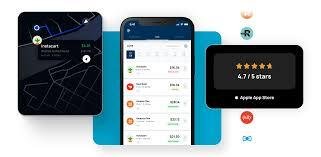

Roadie is a crowd-shipping and delivery platform that connects drivers with delivery gigs. It’s used by independent drivers, small businesses, and anyone who wants to earn by delivering packages. While Roadie’s flexible earning model is attractive, many users and business partners struggle to understand exact pricing, fees, and potential hidden costs.
This pricing guide explains how Roadie works, what you can expect to pay, where hidden fees may occur, and how to make sure the platform delivers real value in 2026.
What Is Roadie and How Does Pricing Work?
Roadie operates as a marketplace where senders post delivery jobs and drivers (called “Roadies”) pick them up. Pricing is structured around payment to drivers, delivery distances, service fees, and platform costs.
Unlike subscription-based apps, Roadie uses per-delivery fees and may charge additional services depending on the type of delivery.
Before we dig into hidden fees, it helps to understand how Roadie calculates earnings and charges.
Roadie Core Pricing Components
Driver Payment (Gig Earnings)
Drivers earn money for each delivery. The amount depends on:
Delivery distance
Package size and weight
Urgency of delivery
Pickup and drop-off locations
Roadie driver tier and acceptance rate
Roadie generally guarantees a minimum payout per delivery, but actual earnings vary.
Service or Platform Fees
Senders — not drivers — typically pay a service fee for using Roadie. This fee covers platform access, support, and matching drivers with jobs.
However, drivers may find that certain opportunities include margins that effectively reduce net earnings.
Hidden Fees Drivers Should Know
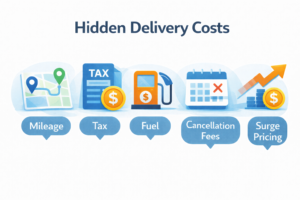
Some costs are obvious — like the time and mileage spent on deliveries — but others are not always clear until you start using the platform regularly.
1. Mileage and Expense Costs
Roadie does not reimburse drivers for mileage, gas, maintenance, or insurance. These are real costs that reduce net earnings.
If a delivery is short, the remaining pay may not cover actual expenses.
2. Peak Times and Competition
During peak hours, prices may rise, but so does competition. Drivers may accept lower-paying gigs to stay active, which affects effective earnings per hour.
3. Income Tax and Self-Employment Expenses
Roadie drivers are often classified as independent contractors. This means:
No tax withholding
Self-employment taxes
You must track and claim deductions
If you don’t track all your expenses properly, you may end up paying more in taxes.
4. Optional Add-On Fees
Some platforms charge optional fees for features like:
Priority job placement
Enhanced visibility for drivers
Data analytics or premium support
Always review terms before opting in.
Hidden Costs for Senders and Businesses
While many pricing guides focus on driver earnings, businesses that use Roadie for delivery logistics also face potential hidden costs.
1. Surge and Peak Pricing
During high demand, Roadie may increase prices. Businesses should be aware that:
Delivery costs may fluctuate
Short-notice deliveries often cost more
Distance isn’t the only pricing factor
2. Additional Service Fees
Some tasks require special handling (fragile items, oversized packages). These extras can add fees.
3. Cancellation Charges
If a delivery is canceled after assignment, fees may still apply depending on Roadie’s policy.
Comparing Roadie to Other Delivery Platforms
| Feature | Roadie | Competitor A | Competitor B |
|---|---|---|---|
| Payment Model | Per delivery | Per delivery | Subscription + per delivery |
| Driver Flexibility | High | Moderate | Low |
| Hidden Costs | Mileage, self-employment tax | Platform fee | Subscription + fees |
| Business Integration | Yes | Varies | Varies |
Roadie stands out for flexibility, but the lack of reimbursement and tax complexities makes it different from models that offer gig revenue plus reimbursements.
Roadie for Part-Time vs Full-Time Drivers
Part-Time Drivers
Part-time Roadies may use deliveries to earn supplemental income. Hidden costs are less impactful if:
You don’t rely on the platform as sole income
Mileage and expenses are manageable
You already track deductions
Full-Time Drivers
For full-time drivers, unreimbursed costs (gas, maintenance, insurance) are significant. Accurate tracking is critical to avoid low net earnings.
Using a mileage and expense tracker (like TripLog or MileIQ) can help reduce taxable income — effectively saving money.
Tips to Minimize Hidden Fees
Track All Expenses
Record mileage, fuel, maintenance, tolls, and parking. These can be tax deductions and reduce hidden costs.
Review Each Delivery Rate
Check the payout before accepting. Sometimes higher mileage gigs pay better, even if they take longer.
Use Accounting Tools
Apps that integrate with QuickBooks, Wave, or FreshBooks help you track income and expenses seamlessly.
Understand Tax Obligations
Setting aside money for estimated taxes prevents unexpected payments at tax time.
How Roadie Pricing Works for Businesses
When businesses use Roadie for logistics, pricing can vary due to:
Delivery distance and urgency
Package weight and size
Volume of deliveries
Special handling requirements
Unlike fixed-rate couriers, Roadie offers flexible pricing but requires careful budgeting.
Is Roadie Worth It for Drivers in 2026?
For drivers in 2026, Roadie remains a viable option if you:
Track mileage and expenses diligently
Use analytics to select high-value gigs
Combine delivery income with tax deductions
However, drivers who do not manage costs carefully may see their net income shrink.
Is Roadie Worth It for Businesses?
Businesses benefit from:
On-demand delivery workforce
Flexible logistics
Real-time driver tracking
But companies must account for surge pricing, peak fees, and special service costs.
Frequently Asked Questions
Does Roadie charge drivers a subscription?
No. Drivers don’t pay a recurring subscription but earn per delivery.
Does Roadie reimburse mileage?
No. Drivers must cover fuel, maintenance, and other vehicle costs.
Can small businesses negotiate Roadie rates?
Depending on volume and partnership terms, some businesses may negotiate custom pricing.
Are taxes withheld from driver earnings?
No. Independent contractors handle their own tax withholdings and filings.
Conclusion
Roadie offers a flexible platform for drivers and businesses to earn money through deliveries. However, its pricing model means that some costs are hidden, such as mileage, self-employment expenses, and variable fees for special services. Sending businesses should also consider surge pricing, additional charges, and cancellation costs.
By understanding these pricing dynamics and tracking expenses rigorously, drivers and businesses can make informed decisions, reduce hidden costs, and improve profitability in 2026.