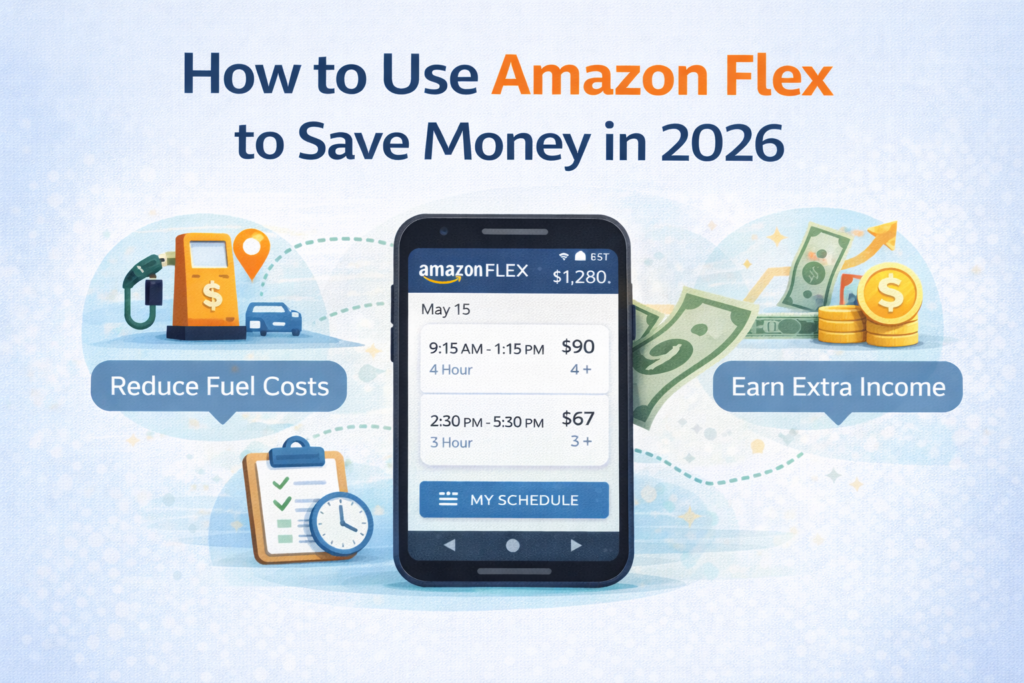
Amazon Flex has become a popular option for independent drivers looking for flexible income. However, many drivers focus only on earnings and overlook how Amazon Flex can also help them save money when used correctly. In 2026, rising fuel prices, vehicle costs, and taxes make cost-saving strategies more important than ever.
This guide explains how to use Amazon Flex strategically to reduce expenses, improve efficiency, and keep more money in your pocket.
Understanding Amazon Flex as a Cost-Saving Opportunity
Amazon Flex allows drivers to choose delivery blocks that fit their schedule. This flexibility is not just about time. It also gives drivers control over routes, fuel usage, and vehicle wear.
When used thoughtfully, Amazon Flex can help drivers:
Offset commuting costs
Maximize tax deductions
Reduce unnecessary driving
Improve overall financial efficiency
Saving money with Amazon Flex starts with understanding how the system works.
Choose Delivery Blocks Strategically
One of the biggest mistakes drivers make is accepting every available block. Instead, focus on high-value blocks.
Look at Distance vs Pay
Before accepting a block, evaluate:
Total miles required
Estimated time
Pay offered
Blocks with shorter distances and decent pay usually result in better savings because fuel and maintenance costs stay low.
Work During Peak Demand
Peak hours often offer better compensation. These include:
Early mornings
Evenings
Weekends
Holidays
Higher-paying blocks during peak demand reduce the number of hours you need to drive to earn the same amount.
Reduce Fuel Costs Effectively
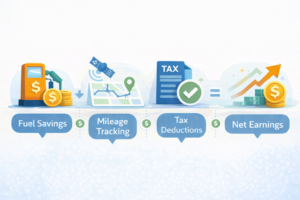
Fuel is one of the biggest expenses for Amazon Flex drivers. Reducing fuel usage directly increases savings.
Optimize Routes
Always follow optimized routes provided by the app but remain flexible. Sometimes small detours can avoid traffic and reduce idle time.
Avoid Excessive Idling
Idling wastes fuel. Turn off the engine during long waits at pickup locations or apartment complexes.
Drive Fuel-Efficient Vehicles
Smaller, fuel-efficient vehicles typically save more money in the long run compared to larger SUVs or trucks.
Track Mileage for Tax Savings
Mileage tracking is one of the most effective ways to save money while using Amazon Flex. Every business mile driven may be tax-deductible.
Why Mileage Tracking Matters
Mileage deductions reduce taxable income. Over a year, this can result in significant tax savings.
Drivers should track:
Miles driven to pickup locations
Miles during deliveries
Return miles when applicable
Accurate mileage records are essential for IRS compliance.

Understand Your Tax Responsibilities
Amazon Flex drivers are independent contractors. This means taxes are not withheld automatically.
Set Aside Money for Taxes
A good practice is setting aside 20–30% of earnings for taxes. This prevents financial stress during tax season.
Claim Business Expenses
Besides mileage, drivers may deduct:
Phone usage for work
Delivery supplies
Parking fees related to deliveries
Proper record-keeping increases savings and reduces tax liability.
Avoid Hidden Costs
Many drivers lose money because they overlook hidden expenses.
Vehicle Maintenance
Frequent driving increases wear and tear. Regular maintenance prevents costly repairs later.
Insurance Considerations
Some insurance policies require disclosure for delivery driving. Failing to update coverage could result in denied claims.
Parking and Tolls
Urban deliveries often involve parking fees or tolls. Factor these costs into your block selection.
Use Amazon Flex to Offset Existing Driving
One smart way to save money is using Amazon Flex deliveries that align with your existing travel plans.
For example:
Accept blocks near your workplace
Deliver along your usual commute
Choose routes that end close to home
This approach helps convert regular driving expenses into income-generating miles.
Time Management Improves Savings
Time is money in the gig economy. Efficient time management reduces unnecessary driving and fuel usage.
Arrive Prepared
Having packages organized reduces delivery time and prevents backtracking.
Avoid Overbooking
Taking too many blocks back-to-back increases fatigue and mistakes, leading to inefficiency.
Efficient deliveries mean less time on the road and lower operating costs.
Compare Earnings with Expenses Regularly
Drivers should regularly review:
Weekly earnings
Fuel costs
Maintenance expenses
Net profit
This helps identify which blocks are truly profitable and which ones reduce savings.
Use Technology to Stay Organized
Digital tools can help drivers save money by improving organization.
Helpful tools include:
Mileage tracking apps
Expense tracking apps
Calendar planning tools
Automation reduces human error and improves long-term financial accuracy.
Amazon Flex vs Traditional Commuting Costs
Many drivers forget that Amazon Flex can replace unpaid commuting.
Instead of driving without earning:
Convert commute time into paid delivery blocks
Reduce wasted fuel costs
Offset personal driving expenses
This mindset shift alone can result in noticeable savings.
Is Amazon Flex Cost-Effective for Part-Time Drivers?
For part-time drivers, Amazon Flex can be highly cost-effective if blocks are selected carefully. Low-mileage, well-timed blocks often provide solid returns with minimal expense.
However, poor block selection can quickly reduce savings.
Common Money-Saving Mistakes to Avoid
Drivers should avoid:
Accepting low-pay, long-distance blocks
Ignoring mileage tracking
Forgetting to set aside tax money
Skipping vehicle maintenance
Avoiding these mistakes improves financial outcomes significantly.
How Location Impacts Savings
Urban areas may offer more blocks but higher parking and fuel costs. Suburban areas may have fewer blocks but lower expenses.
Understanding your local market helps you adjust strategies accordingly.
Future Cost-Saving Trends in 2026
In 2026, delivery platforms are focusing more on efficiency and automation. This may result in:
Better route optimization
Improved block transparency
More predictable earnings
Staying informed allows drivers to adapt quickly and maintain savings.
Who Should Use Amazon Flex to Save Money?
Amazon Flex is best suited for:
Drivers who already travel frequently
Individuals seeking supplemental income
People willing to track expenses carefully
It may not suit those who prefer guaranteed wages or benefits.
Final Verdict
Amazon Flex can be a powerful tool to save money in 2026 when used strategically. By selecting profitable blocks, tracking mileage, managing taxes, and reducing fuel and maintenance costs, drivers can significantly improve their financial outcomes.
The key is treating Amazon Flex like a business rather than casual side work. Smart planning turns flexibility into real savings.