For more than half a decade, Samsung's Ultra lineup has stood as the undisputed global benchmark for smartphone zoom capabilities. Beginning with the revolutionary Space Zoom on the S20 Ultra and perfected through successive generations, Samsung established a formidable reputation: if you demanded extreme telephoto reach, concert photography prowess, and crisp 100x digital magnification, the Galaxy Ultra was the singular device to beat.
However, in 2026, the mobile imaging hierarchy has been violently shaken by mobile photography specialists in Asia. Leading this optical counter-revolution is Vivo's titanium-clad flagship: the Vivo X100 Ultra. Featuring a massive 1-inch Sony primary sensor, specialized Zeiss T* lens coatings, proprietary V3+ imaging silicon, and a groundbreaking 200-megapixel periscope telephoto sensor, the X100 Ultra represents an uncompromising challenge to Samsung's mobile imaging crown.
Choosing between the Galaxy S24 Ultra vs Vivo X100 Ultra has become the ultimate debate for mobile photographers, tech enthusiasts, and mobile creators. Can Samsung's computational photography, AI processing algorithms, and proven 5x periscope retain its throne as the best telephoto camera phone? Or does Vivo's raw physical glass advantage and record-setting 200MP periscope zoom comparison deliver the superior mobile photography flagship experience? In this comprehensive editorial showdown, we analyze both super-flagships across physical optics, sensor physics, telephoto zoom reach, low-light fidelity, portrait artistry, and video capabilities.
Editorial Note: TechVantageAPK produces strictly independent hardware evaluations based on verified technical specifications, professional camera laboratory analyses, and published community photo comparisons. We do not accept sponsored affiliate placements. Hardware pricing referenced in this review reflects international retail estimates at publication; prices may change — check official retailers for current market rates.
Optical Hardware Architecture: Raw Sensor Physics Compared
The philosophical divide between Samsung and Vivo begins at the hardware level. Samsung emphasizes ultra-high-resolution computational binning across a balanced camera suite, while Vivo pursues massive physical sensor area and professional optical glass engineering:
Primary Wide-Angle Cameras: 200MP ISOCELL vs 1-Inch Sony LYT-900
- Samsung Galaxy S24 Ultra: Employs a custom 200MP Samsung ISOCELL HP2 sensor measuring 1/1.3 inches, paired with an f/1.7 aperture lens and optical image stabilization (OIS). Samsung utilizes 16-in-1 pixel binning to output detailed 12.5MP images under standard conditions, relying on heavy multi-frame HDR synthesis.
- Vivo X100 Ultra: Features Sony's flagship 50MP LYT-900 sensor, boasting a massive physical 1-inch optical format with a fast f/1.75 aperture and true gimbal optical stabilization. The 1-inch sensor captures significantly more raw photons per microsecond, delivering authentic optical shallow depth of field and superior natural bokeh without artificial software blurring.
The Periscope Zoom Battle: 50MP 5x vs 200MP 3.7x ISOCELL HP9
- Samsung's Telephoto Approach: For the S24 Ultra, Samsung replaced its legacy 10MP 10x optical lens with a larger 50MP sensor featuring a 5x optical periscope lens (f/3.4 aperture). Through 5x optical reach and high-resolution sensor crop, Samsung delivers stellar 5x to 10x image clarity, utilizing AI Super Resolution algorithms for 30x to 100x digital zoom.
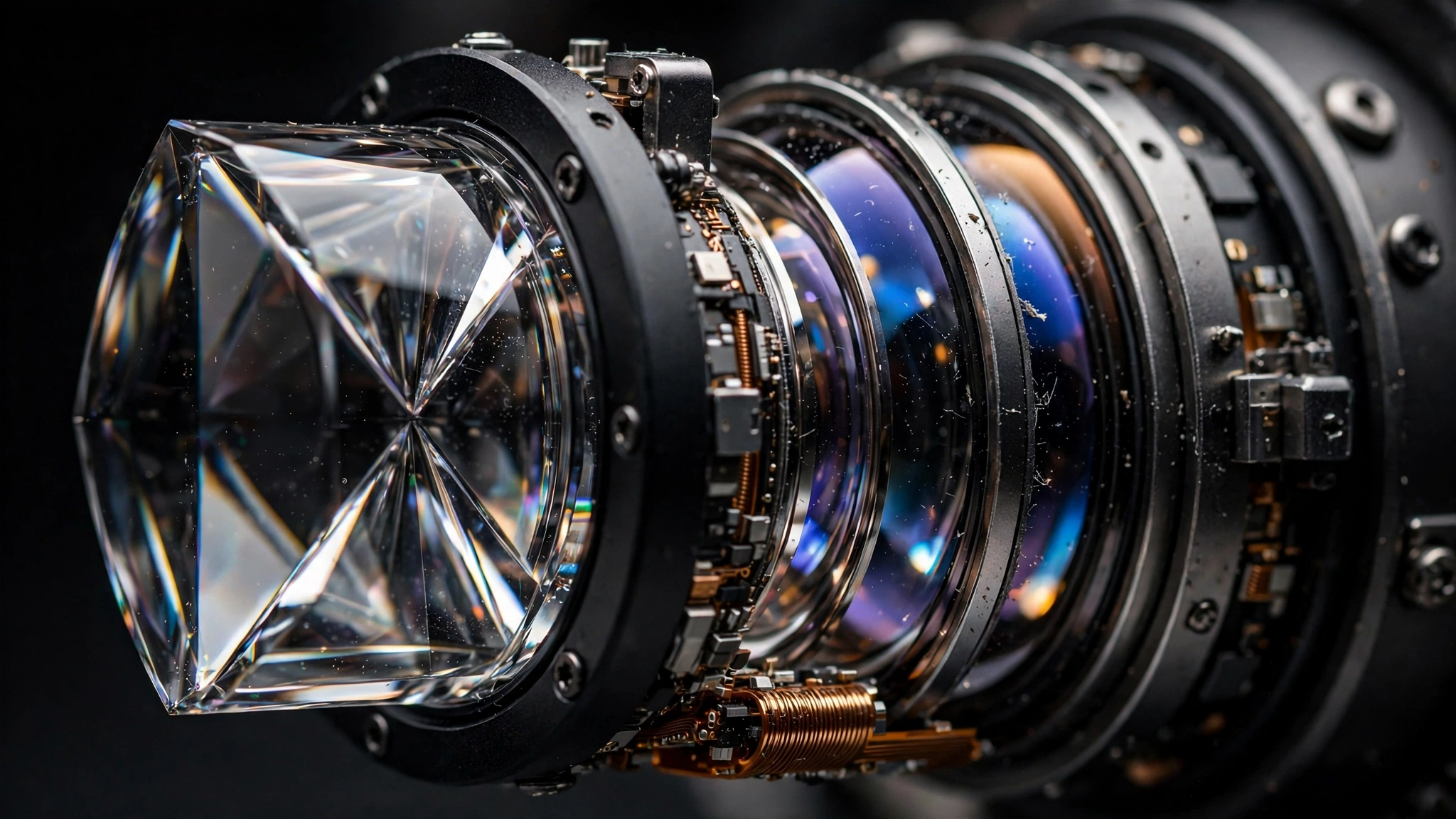
- Vivo's Revolutionary Telephoto Architecture: Vivo shocked the optical industry by fitting an enormous 200MP Samsung ISOCELL HP9 sensor (1/1.4-inch format—the largest telephoto sensor ever put in a smartphone) behind a 3.7x optical periscope lens (85mm equivalent, f/2.67 aperture) certified with Zeiss APO (apochromatic) optical glass. The Zeiss APO certification ensures that red, green, and blue light wavelengths focus on the exact same focal plane, virtually eliminating chromatic aberration and purple fringing.
Real-World Photographic Performance Across Demanding Scenarios
To determine the true camera king, we evaluated both flagship systems across five demanding photographic scenarios:
1. High-Magnification Telephoto Zoom (10x to 30x Zoom)
Between 3.7x and 10x magnification, the Vivo X100 Ultra is a revelation. Because its 200MP telephoto sensor is physically twice the size of Samsung's telephoto sensor and possesses an f/2.67 aperture that lets in vastly more light, the Vivo resolves finer architectural brickwork, fabric textures, and distant signage with astonishing clarity. At 10x, Vivo's in-sensor crop retains natural, noise-free micro-contrast where Samsung's output begins to display AI sharpening halos. However, once zoom exceeds 30x up to 100x, Samsung's computational AI Super Resolution algorithms take over, delivering more legible text on distant signs through aggressive algorithmic reconstruction.
2. Low-Light Night Photography and Dynamic Range
In extreme low-light environments, the Vivo X100 Ultra's 1-inch Sony LYT-900 sensor and Zeiss T* anti-reflective coatings deliver a decisive victory. Pointing both cameras at bright neon street signs in a dark alley reveals Vivo's optical mastery: the Zeiss T* coating eliminates lens flare and internal ghosting reflections that frequently plague Samsung lenses. Furthermore, Vivo's 1-inch sensor gathers sufficient light naturally, allowing faster shutter speeds that freeze moving night subjects without motion blur.
3. Portrait Photography and Skin Tone Fidelity
Portraiture represents another profound divergence in color science. Samsung produces crisp, vibrant portraits with saturated skin tones and aggressive edge detection that cuts out subjects sharply from blurred backgrounds. Vivo, collaborating with Zeiss, provides dedicated portrait focal length modes (24mm, 35mm, 50mm, 85mm, and 135mm) that simulate iconic vintage Zeiss lenses (Biotar, Sonnar, Planar, and Distagon). The Vivo captures authentic optical facial compression and creamy, natural background falloff, delivering photographs that look genuinely captured on a mirrorless camera rather than an algorithm.
4. Ultrawide and Macro Versatility
Both smartphones feature capable 50MP/12MP ultrawide sensors, but Vivo's telephoto macro capability alters everyday shooting versatility. Because the Vivo's 200MP telephoto periscope features a floating lens group capable of focusing at close distances, you can capture breathtaking macro photographs of insects, flower petals, and mechanical watch movements from several inches away with natural telephoto compression, easily surpassing Samsung's wide-angle macro mode.
5. Video Recording Fidelity and Stabilization
While Vivo excels in static photography, Samsung demonstrates why it remains the favorite of mobile video creators. The Galaxy S24 Ultra delivers class-leading 4K 60fps and 4K 120fps video recording across all lenses, offering rock-solid optical stabilization, seamless lens-switching during recording, and superior audio zoom microphones. Vivo's 4K video is exceptionally sharp, but Samsung's video processing remains more cohesive and color-consistent across quick panning movements.
Galaxy S24 Ultra vs Vivo X100 Ultra Camera Specs Matrix
Camera Feature / Metric | Samsung Galaxy S24 Ultra | Vivo X100 Ultra | Category Winner |
Main Sensor Size | 200MP (1/1.3-inch ISOCELL HP2) | 50MP (1.0-inch Sony LYT-900) | Vivo X100 Ultra (Physical Size) |
Main Lens Aperture & OIS | f/1.7 with Standard OIS | f/1.75 with Gimbal Stabilization | Vivo X100 Ultra (Gimbal OIS) |
Periscope Zoom Sensor | 50MP (1/2.52-inch, 5x Optical) | 200MP (1/1.4-inch, 3.7x Optical) | Vivo X100 Ultra (Massive Sensor) |
Lens Coatings | Standard Anti-Reflective Glass | Zeiss T* Nano Coating (APO Glass) | Vivo X100 Ultra (Flare Reduction) |
Extreme Zoom (30x–100x) | Galaxy AI Super Resolution | AI Super Zoom Sensor Crop | Samsung S24 Ultra (Algorithmic Text) |
Macro Photography | Ultrawide Sensor Macro Focus | Floating Telephoto Macro (85mm) | Vivo X100 Ultra (Telephoto Macro) |
Video Recording Quality | 4K 120fps / 8K 30fps (All lenses) | 4K 120fps / 8K 30fps (Main/Zoom) | Samsung S24 Ultra (Video Consistency) |
Global Software & Support | One UI 6.1 (7 Years of OS Updates) | OriginOS / Funtouch OS (3–4 Years) | Samsung S24 Ultra (Software Longevity) |
Beyond the Camera: Everyday Usability and Ecosystem Differences
A smartphone is more than its camera module, and purchasing either device involves significant lifestyle trade-offs:
1. Software Longevity and Ecosystem Support
Samsung delivers an industry-leading seven years of full Android operating system updates and security patches, paired with deep Google integration and native Western app compatibility. Vivo, while offering smooth software in OriginOS, is primarily distributed as an import device in Western markets, meaning Google services require setup and long-term OS update commitments are shorter (typically 3 to 4 years).
2. Ergonomics, Display, and Battery Architecture
The Galaxy S24 Ultra features a flat 6.8-inch Dynamic AMOLED 2X display with an anti-reflective Gorilla Armor glass that virtually eliminates outdoor screen reflections, paired with an integrated S Pen stylus. The Vivo X100 Ultra features a curved Samsung E7 AMOLED display, a massive circular camera bump that makes the device top-heavy, but compensates with a larger 5,500mAh silicon-carbon battery and blazingly fast 80W wired charging.
Pro Creator Workflows: Expert RAW vs 10-Bit Log Video Grading
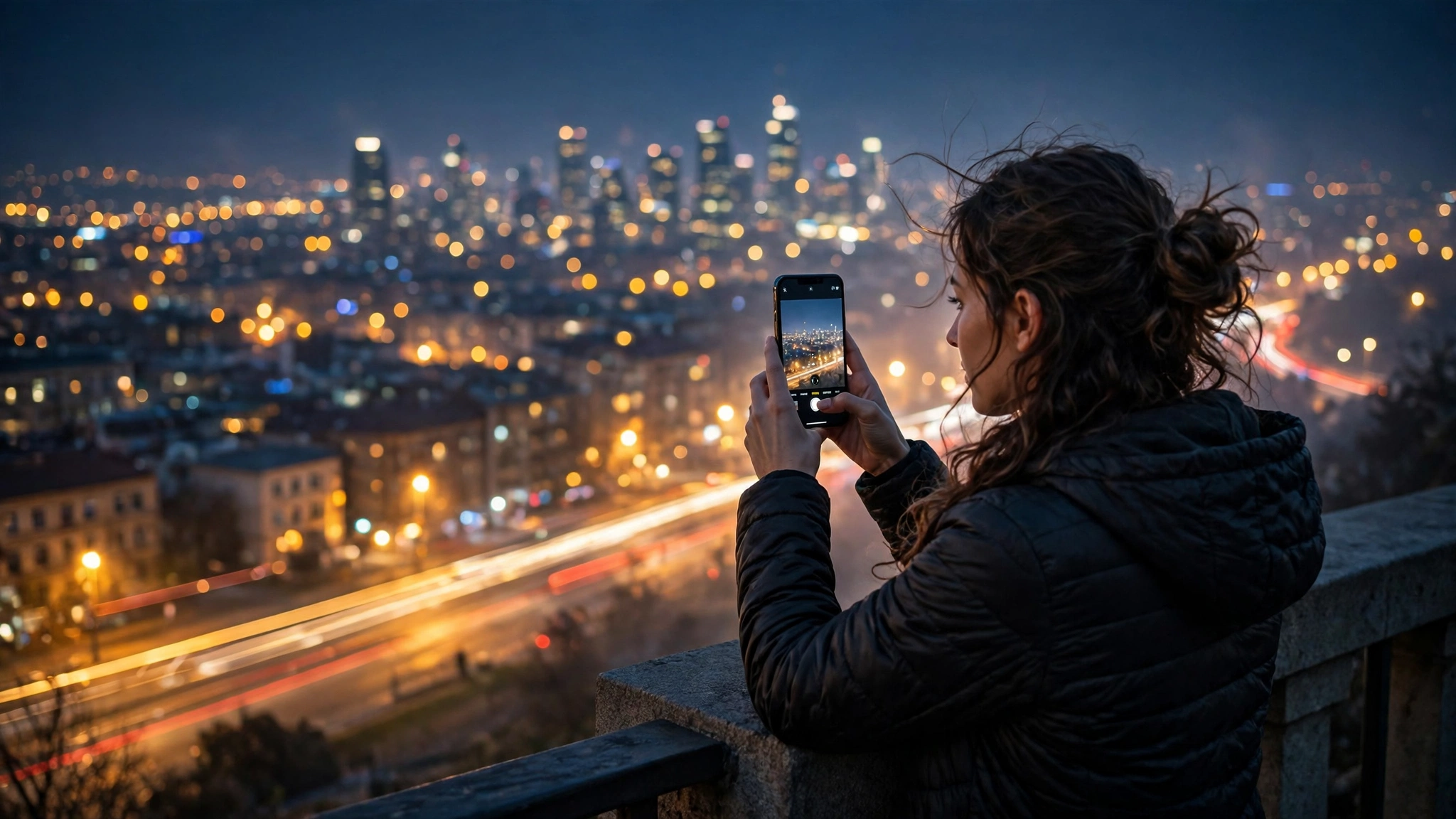
For mobile filmmakers, colorists, and commercial content creators, evaluating a super-flagship smartphone requires looking past point-and-shoot automated modes to examine professional manual capture pipelines.
1. Samsung Expert RAW and 16-Bit Computational DNGs
Samsung's dedicated Expert RAW application provides enthusiast photographers with an extraordinary balance of multi-frame HDR synthesis and linear raw flexibility. Capturing 24MP and 50MP 16-bit computational DNG files allows photographers to recover blown highlights in skies and pull deep shadow details from RAW files in Adobe Lightroom Mobile without introducing chromatic noise. Furthermore, Samsung features dedicated Astrophotography and Multiple Exposure shooting modes that automate complex night-sky long exposures directly on a tripod.
2. Vivo 4K 120fps Cinema LOG and DaVinci Resolve LUTs
Vivo targets professional videographers by incorporating full 4K 120fps 10-bit Log video recording across both its 1-inch main sensor and its 200MP periscope telephoto. Recording in a flat, unsharpened Log color profile preserves maximum dynamic range across high-contrast scenes. Vivo provides official cinematic Look-Up Tables (LUTs) that allow editors to color grade footage in DaVinci Resolve or Final Cut Pro, delivering cinematic film emulation that rivals dedicated mirrorless cinema cameras.
3. Manual Shutter Ergonomics and Focus Peaking
Both devices offer comprehensive Pro modes featuring manual ISO, shutter speed (up to 30 seconds), manual white balance in Kelvins, and focus peaking. However, Vivo's interface includes an optical zebra exposure warning pattern and a digital level indicator that feels closer to a professional mirrorless camera body, empowering manual shooters to nail focus and exposure on moving subjects effortlessly.
Frequently Asked Questions (FAQ)
Can I buy the Vivo X100 Ultra in the United States?
The Vivo X100 Ultra is officially released primarily in mainland China and select Asian markets. U.S. and European buyers must purchase the device through reputable international import retailers. While it supports most international cellular bands, users should verify 5G carrier compatibility (such as T-Mobile and AT&T bands) before purchasing.
Does the Vivo X100 Ultra support Google Play Services?
Yes. Chinese retail units of the Vivo X100 Ultra have Google Mobile Services (GMS) pre-baked into the firmware. Users can install the Google Play Store directly from the Vivo App Store with a single tap, enabling standard access to Gmail, Google Maps, Chrome, and YouTube.
Is Samsung's 100x zoom real or fake?
Samsung's Space Zoom is a hybrid optical-computational pipeline. At 100x magnification, the camera captures raw optical photons from the 5x periscope, crops into the 50MP sensor, and runs deep learning generative adversarial networks (GANs) to reconstruct fine details, sharpen edges, and de-noise textures. It is an algorithmic composite, not a pure optical photograph.
Which phone is better for concert photography?
Both are extraordinary concert companions, but for different reasons. If you are sitting in the distant upper stadium tiers, Samsung's 30x to 50x computational zoom resolves stage performers reliably. However, if you are in the lower arena or general admission floor, Vivo's massive 200MP telephoto sensor captures vastly superior low-light concert stage lighting, eliminating blown-out stage spotlights and rendering authentic skin tones.
How does the Zeiss APO coating on the Vivo improve photos?
APO stands for Apochromatic. In standard camera lenses, different wavelengths of light (colors) refract at slightly different angles, causing purple and green fringes along high-contrast edges (such as tree branches against a bright sky). Zeiss APO glass aligns all primary color wavelengths to the exact same focus point, producing pure, aberration-free optical sharpness.
Which phone provides better battery life while taking photos?
The Vivo X100 Ultra holds an advantage in photographic battery longevity. Its larger 5,500mAh silicon-carbon battery and efficient Sony LYT-900 sensor draw less continuous power than Samsung's 5,000mAh battery running intensive multi-frame 200MP computational binning.
Conclusion: Declaring the True Camera King of 2026
The titanic battle between the Galaxy S24 Ultra vs Vivo X100 Ultra highlights two brilliant, contrasting philosophies in modern mobile engineering.
If you prioritize a balanced, dependable all-around flagship with world-class video recording, seven years of guaranteed software updates, an anti-reflective flat display, and integrated S Pen productivity, the Samsung Galaxy S24 Ultra remains the most complete and practical super-flagship smartphone on the global market.
However, if your singular objective is absolute, uncompromised photographic supremacy—where 1-inch physical sensor area, Zeiss optical glass, creamy authentic portrait bokeh, and an astonishing 200MP telephoto periscope eclipse algorithmic processing—the Vivo X100 Ultra is the definitive camera king of 2026. For pure shutterbugs, Vivo has rewritten what a pocket camera can achieve.