DoorDash continues to be a top platform for gig economy drivers in 2026. While many Dashers focus solely on earnings, the key to maximizing net income is managing expenses efficiently. This guide shows how you can use DoorDash Dasher strategically to save money, from fuel and vehicle costs to taxes and efficient scheduling.
Understand Your Earnings vs Expenses
Before implementing savings strategies, it’s important to understand the breakdown of your DoorDash earnings:
-
Base pay per delivery
-
Customer tips
-
Promotions and peak pay
Expenses that reduce net income include:
-
Fuel
-
Vehicle maintenance
-
Parking and tolls
-
Phone/data usage
Maximizing net earnings involves both increasing income and reducing costs.
Choose Delivery Blocks Wisely
DoorDash uses flexible scheduling with available delivery blocks:
-
Prioritize blocks with shorter distances and higher pay
-
Focus on peak hours for bonuses
-
Accept orders near your existing route to save fuel
Smart selection prevents wasted time and reduces unnecessary expenses.
Optimize Your Route
The DoorDash Dasher app provides route guidance, but additional optimization helps save money:
-
Use real-time traffic updates to avoid congestion
-
Combine multiple deliveries in the same area
-
Plan ahead to avoid excessive backtracking
Reducing mileage saves fuel and reduces vehicle wear.
Track Mileage for Tax Savings
As an independent contractor, Dashers can claim mileage deductions:
-
Track miles driven for deliveries, pickups, and return trips
-
Use apps like MileIQ or TripLog for accurate recording
-
Deduct business-related expenses to lower taxable income
Accurate mileage tracking can save hundreds or even thousands of dollars annually.
Reduce Fuel Costs
Fuel is one of the largest expenses for DoorDash drivers. Tips to save include:
-
Drive fuel-efficient vehicles
-
Minimize idling
-
Refuel at cheaper gas stations or during off-peak times
-
Plan deliveries to reduce total miles driven
Small savings per trip add up over time.
Save on Vehicle Maintenance
High mileage can increase wear and tear. Cost-saving strategies include:
-
Regular oil changes and maintenance
-
Proper tire inflation
-
Avoiding harsh driving habits
-
Using apps to schedule maintenance reminders
Preventive maintenance avoids expensive repairs in the long run.
Leverage App Features for Efficiency
The DoorDash Dasher Android app helps save money by:
-
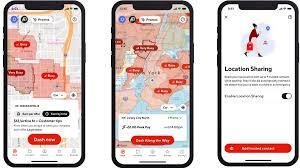
Highlighting hotspots and peak hours for higher earnings
-
Providing multi-delivery batching to reduce trips
-
Offering earnings and tip tracking to monitor profitability
Efficient use of the app reduces unnecessary driving and wasted time.
Manage Your Taxes
DoorDash Dashers are responsible for self-employment taxes. Money-saving tips include:
-
Set aside 20–30% of earnings for taxes
-
Track deductible expenses (fuel, vehicle maintenance, phone bills)
-
Use accounting or expense-tracking apps
Proper tax planning avoids large year-end liabilities.
Use Technology for Efficiency
Technology can save both time and money:
-
GPS apps for optimized navigation
-
Expense-tracking apps to log fuel, maintenance, and other deductions
-
Calendar apps to schedule profitable delivery blocks
Automating these processes minimizes mistakes and ensures accurate savings tracking.
Avoid Hidden Costs
Watch for expenses that erode net income:
-
Parking fees in busy urban areas
-
Toll roads
-
Excessive phone data usage
-
Vehicle depreciation due to high mileage
Planning ahead reduces the impact of these costs.
Use Existing Commutes
If you already commute or travel, consider aligning deliveries with your route:
-
Accept blocks along your commute to work or home
-
Reduce additional mileage for deliveries
-
Save on both fuel and time
This strategy converts regular driving into income-generating trips.
Plan for Peak Pay Opportunities
DoorDash often offers peak pay during:
-
Lunch and dinner hours
-
Weekends and holidays
-
Special events
Focusing on these windows increases income per hour and reduces hours worked, effectively saving money.
Track Earnings Regularly
Regularly reviewing earnings vs expenses helps identify:
-
Which blocks are most profitable
-
How much is being spent on fuel and maintenance
-
Opportunities to adjust strategy for more savings
Awareness is key to managing income effectively.

Conclusion
Using DoorDash Dasher strategically in 2026 is not just about earning more—it’s about saving more. By choosing blocks wisely, optimizing routes, tracking mileage, managing taxes, and minimizing expenses, Dashers can maximize their net income. Treating DoorDash like a business ensures both higher earnings and significant cost savings, turning gig work into a profitable venture.