The premium large-screen Android market has reached a peak of technical maturity. Consumers looking for an expansive display, all-day battery endurance, and pro-grade optical zoom no longer face compromised options. However, two titans represent radically contrasting philosophies of what an Android flagship should deliver. On one side stands Google's computing champion, the Pixel 9 Pro XL, leading with seven years of software support, on-device Gemini artificial intelligence, and unmatched computational photography. On the other side stands OnePlus’s raw hardware juggernaut, the OnePlus 12, offering extreme silicon performance, a massive 5,400mAh battery, blinding fast 80W wired charging, and Hasselblad camera tuning at a significantly more aggressive retail price point.
For discerning buyers deciding on the best large Android flagship in 2026, comparing the Pixel 9 Pro XL vs OnePlus 12 requires looking beyond raw spec sheets. It requires balancing real-world thermal endurance, gaming framerates, daily charging habits, software longevity, and camera color science. In this comprehensive, research-based hardware clash, we conduct an exhaustive telephoto camera comparison and analyze the Google vs OnePlus battery charging dynamics based on documented manufacturer specifications, independent thermal benchmarks, and long-term user reviews.
Pricing & Availability Notice: Manufacturer suggested retail prices (MSRP), trade-in promotional values, and bundled charger inclusions referenced in this guide reflect standard publisher disclosures at publication. Device pricing frequently fluctuates based on carrier incentives, seasonal retail promotions, and regional sales taxes. Please verify current pricing directly through official Google Store and OnePlus web portals.
Design, Ergonomics, and Build Quality
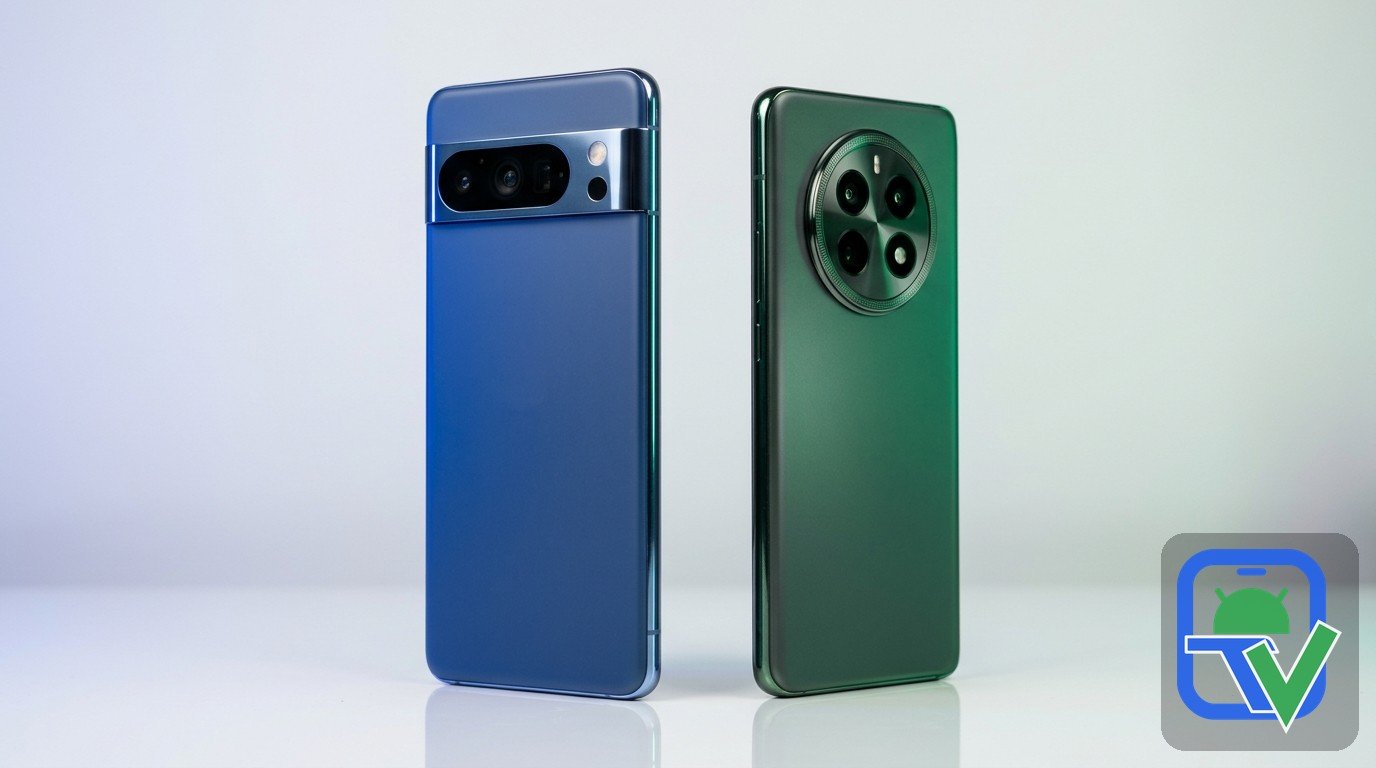
While both handsets feature expansive 6.8-inch displays, they feel distinctly different in the palm due to opposing industrial design paradigms.
Pixel 9 Pro XL: Flat Aesthetics and Modern Industrial Luxury
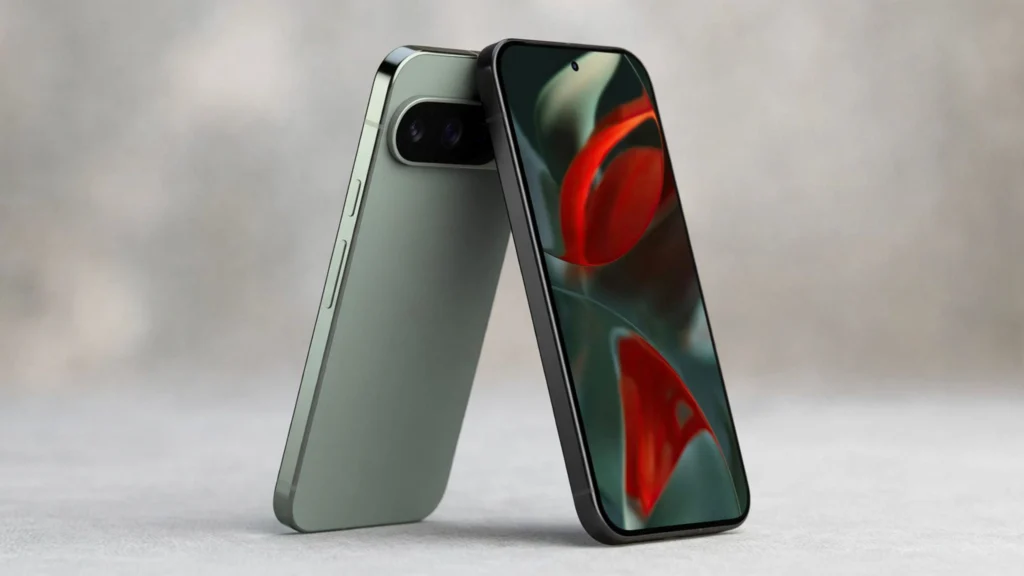
Google dramatically overhauled its design language with the 9 series. The Pixel 9 Pro XL features completely flat aerospace-grade polished aluminum rails paired with a silky matte-finish rear glass panel. The iconic horizontal camera visor has evolved into an elegant, floating pill-shaped camera island. The flat display eliminates accidental edge touches, while symmetrical bezels deliver an impeccably premium visual experience reminiscent of high-end Swiss luxury design. The phone feels remarkably dense, sturdy, and well-balanced, carrying an IP68 dust- and water-resistance rating certified for immersion up to 1.5 meters for 30 minutes.
OnePlus 12: Classic Ergonomic Curves and Flowing Glass
OnePlus retains its signature ergonomic curvature. The OnePlus 12 features a quad-curved front and back glass chassis that tapers gracefully into a slim aluminum mid-frame. The rear camera module—styled after luxury Swiss wristwatches—blends seamlessly into the left edge of the frame. While curved edges can occasionally produce minor glare outdoors or accidental palm touches while typing, the OnePlus 12 rests with exceptional comfort in the hand, masking its substantial 220-gram mass. The phone features an IP65 rating, providing complete dust ingress protection and water-jet resistance, though it lacks the deep submersion certification of the Pixel.
Display Showdown: Super Actua vs ProXDR Display
Both smartphones pack cutting-edge LTPO OLED panels capable of dynamically shifting refresh rates between 1Hz and 120Hz to preserve battery life, but they emphasize different optical benchmarks.
Google Super Actua Display
The Pixel 9 Pro XL houses a 6.8-inch Super Actua LTPO OLED with a resolution of 1344 x 2992 pixels (486 ppi). Google engineered this screen for class-leading real-world outdoor visibility. It achieves 2,000 nits in High Brightness Mode (HBM) and reaches a peak brightness of 3,000 nits when playing HDR content. Even under harsh direct midday sunlight, the Pixel 9 Pro XL provides peerless contrast, deep blacks, and remarkable color accuracy without over-saturating skin tones.
OnePlus 12 2K ProXDR Display
The OnePlus 12 features a slightly higher-resolution 6.82-inch panel developed in partnership with BOE, pushing 1440 x 3168 pixels (510 ppi). OnePlus claims an astonishing peak theoretical brightness of 4,500 nits on micro-patches of HDR video, with a sustained full-screen HBM of 1,600 nits. More importantly for sensitive eyes, the OnePlus 12 integrates 2,160Hz high-frequency PWM dimming, drastically reducing eye strain and micro-headaches for users who read their phones in dark bedrooms. It also features "Aqua Touch" technology, ensuring touch inputs register accurately even when the screen is covered in raindrops or the user has sweaty fingers.
Comprehensive Hardware Specifications Comparison
The table below provides a detailed head-to-head comparison of technical specifications, battery capacities, charging protocols, and software commitments between both flagship devices.
Hardware Metric | Google Pixel 9 Pro XL | OnePlus 12 |
Display Panel | 6.8-inch Super Actua LTPO OLED (1–120Hz, Flat) | 6.82-inch ProXDR LTPO AMOLED (1–120Hz, Curved) |
Resolution & Density | 1344 x 2992 pixels (~486 ppi) | 1440 x 3168 pixels (~510 ppi) |
Processor (SoC) | Google Tensor G4 (4nm, Titan M2 security) | Qualcomm Snapdragon 8 Gen 3 (4nm) |
RAM Configurations | 16 GB LPDDR5X (Unified system + on-device AI) | 12 GB or 16 GB LPDDR5X |
Storage Options | 128 GB / 256 GB / 512 GB / 1 TB (UFS 3.1) | 256 GB / 512 GB (UFS 4.0) |
Battery Capacity | 5,060 mAh | 5,400 mAh (Dual-cell design) |
Wired Charging Speed | Up to 37W wired (USB Power Delivery PPS) | 80W SuperVOOC (USA) / 100W (Global) |
In-Box Charger | No (Cable only; brick sold separately) | Yes (Includes 80W/100W SuperVOOC brick) |
Wireless Charging | Up to 23W with Pixel Stand (12W Qi standard) | 50W AirVOOC proprietary (15W Qi standard) |
Water / Dust Ingress | IP68 (Immersion up to 1.5m for 30 minutes) | IP65 (Dust-tight and water-jet resistant) |
Software Support | 7 Years of full OS upgrades, security, & Pixel Drops | 4 Years of Android OS upgrades + 5 years security |
Baseline Starting MSRP | $1,099 (128 GB storage) | $799 (256 GB storage) |
Note: Pricing reflects standard launch MSRP. In-box accessories and regional wireless bands vary by carrier and sales territory.
Performance, Gaming, and Thermal Management
The processing architecture under the hood highlights the fundamental divergence in corporate priorities between Google and OnePlus.
Qualcomm Snapdragon 8 Gen 3 on the OnePlus 12
If your daily smartphone routine involves heavy 3D mobile gaming (such as Genshin Impact, Call of Duty: Warzone, or emulation), the OnePlus 12 is an undisputed monster. Equipped with Qualcomm's Snapdragon 8 Gen 3 and an enormous dual-chamber vapor cooling system, the phone maintains stable 60fps to 120fps framerates during extended gaming sessions without thermal throttling. The inclusion of lightning-fast UFS 4.0 storage also means app installations, heavy game loading, and large video exports execute significantly faster than on standard storage architectures.
Google Tensor G4 on the Pixel 9 Pro XL
Google’s Tensor G4 silicon was never designed to win synthetic Geekbench benchmarks. Instead, Google engineered the chip specifically for on-device machine learning efficiency, natural speech processing, and thermal stability. Backed by a generous 16 GB of RAM (with a portion dedicated exclusively to running the on-device Gemini Nano multimodal model), the Pixel 9 Pro XL operates with effortless fluid smoothness in daily tasks. The phone stays cool during photography and navigation thanks to an integrated vapor chamber, but gamers pushing high graphical settings will observe occasional frame drops compared to the raw horsepower of the Snapdragon platform.
Camera System Comparison: Computational Magic vs Optical Brawn
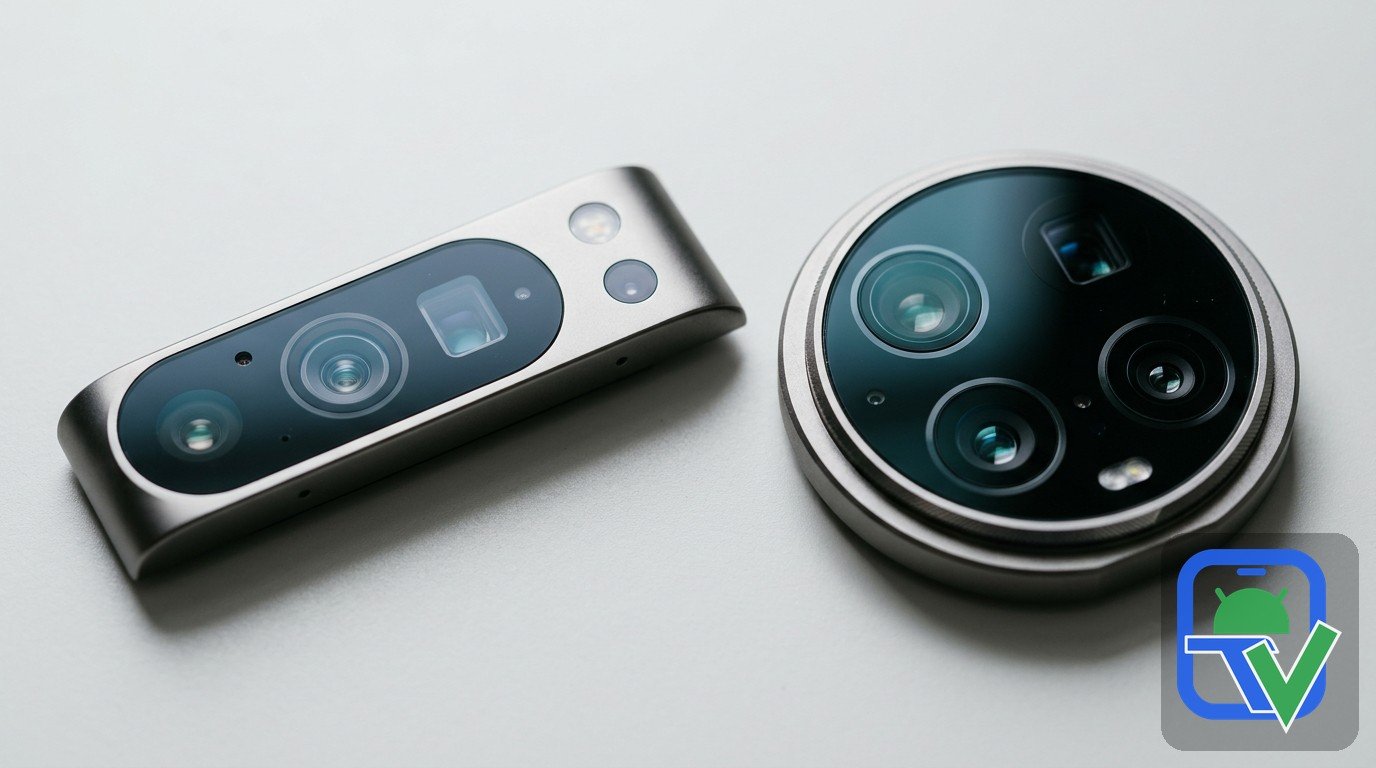
Both smartphones feature versatile triple-lens rear camera arrays, but their rendering aesthetics and zoom capabilities tell two different stories.
Primary Cameras: Reliable Point-and-Shoot vs Hasselblad Character
The Pixel 9 Pro XL packs a 50MP primary sensor with an f/1.68 aperture. Google’s computational photography pipeline remains the industry benchmark for capturing fast-moving children, pets, and spontaneous candid moments. Dynamic range is perfectly balanced, shadows are cleanly lifted without noise, and skin tones are rendered with scientific realism via Real Tone algorithms. You can pull the Pixel out of your pocket, snap a shot without thinking, and trust that it will be sharp.
The OnePlus 12 utilizes Sony’s 50MP LYT-808 "Pixel Stacked" sensor paired with Hasselblad color calibration. The sensor captures exceptional natural depth of field and organic light roll-off. Hasselblad's color science gives portraits and architectural shots an evocative, filmic character with rich warm tones and contrasty highlights. While it occasionally requires a steady hand in difficult lighting, the resulting photographs carry distinct artistic merit.
Telephoto Showdown: 5x Periscope vs 3x Portrait Periscope
In the telephoto department, Google takes the optical distance crown with its 48MP 5x periscope lens. Combined with Super Res Zoom AI, the Pixel 9 Pro XL produces remarkably crisp, printable images up to 10x and 30x magnification, making it the superior choice for sporting events, wildlife, and distant architectural details.
The OnePlus 12 features a 64MP 3x periscope telephoto lens. While it reaches a digital limit at 20x to 30x, the 3x optical focal length (approximately 70mm equivalent) is dramatically more practical for everyday human portraiture. Hasselblad portrait mode on the OnePlus 12 delivers gorgeous bokeh simulation and subject separation that mimics dedicated 85mm DSLR portrait lenses.
Battery Life and Charging Speed: An Overwhelming Victory
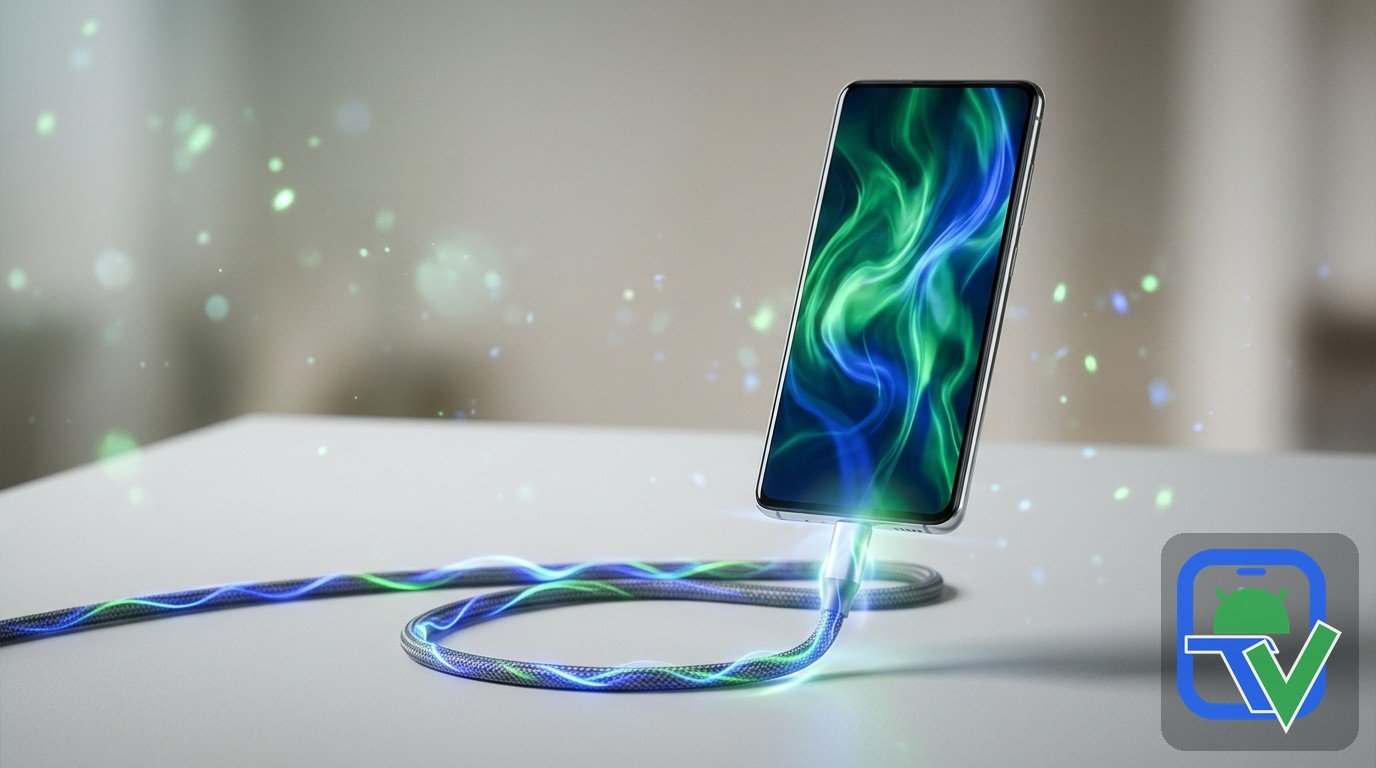
When it comes to power delivery, the OnePlus 12 delivers an absolute masterclass that exposes Google's conservative charging infrastructure.
The OnePlus 12 Endurance Advantage
The OnePlus 12 houses a massive 5,400mAh dual-cell silicon-carbon battery. Combined with the efficient Snapdragon 8 Gen 3 chipset, it routinely delivers 8 to 10 hours of active screen-on time, easily surviving two full days of moderate productivity usage. Even more impressive is the charging experience: using the included 80W SuperVOOC charger in the box, the phone recharges from 1% to 100% in just 30 minutes. Plugging in for a quick 12-minute morning shower gives you more than 50% battery life. It also supports 50W wireless AirVOOC charging.
The Pixel 9 Pro XL Charging Experience
The Pixel 9 Pro XL includes a respectable 5,060mAh battery that easily powers through a full 16-hour workday (averaging 6.5 to 7.5 hours of screen-on time). However, charging speeds top out at roughly 37W wired using a specialized 45W USB-PD PPS charger (which is not included in the box). A full charge requires approximately 75 to 80 minutes. While battery longevity is solid, users accustomed to rapid top-ups will find the Pixel's charging speeds dated.
Software and Longevity: 7 Years of Android Support vs OxygenOS Speed
The software landscape is where Google establishes its most compelling long-term value proposition.
Google’s 7-Year Commitment
The Pixel 9 Pro XL comes with an unprecedented guarantee: 7 full years of Android operating system upgrades, monthly security patches, and quarterly Pixel Feature Drops. Buying a Pixel 9 Pro XL in 2026 means your device is supported all the way into 2031. Furthermore, exclusive Gemini AI integrations—such as Pixel Screenshots (an on-device semantic search engine for your images), Call Screen (which autonomously interrogates suspected spam callers), and Add Me (which seamlessly inserts the photographer into group shots)—offer tangible daily convenience.
OnePlus OxygenOS Experience
The OnePlus 12 runs OxygenOS based on Android, offering buttery smooth animations, deep customization, and an incredibly fast user experience. However, OnePlus promises 4 years of OS upgrades and 5 years of security patches. While five years is more than adequate for most consumers who upgrade every 2 to 3 years, it falls short of Google’s industry-leading software lifespan.
Frequently Asked Questions (FAQ)
Is the Pixel 9 Pro XL worth the extra $300 over the OnePlus 12?
The Pixel 9 Pro XL justifies its premium price tag if you value industry-leading point-and-shoot camera reliability, a flat display design, deeper water resistance (IP68), 7 years of guaranteed software updates, and exclusive Google AI features like automated call screening. If your priority is maximum hardware value, raw gaming performance, and extreme charging speed, the OnePlus 12 at $799 represents significantly better value per dollar.
Does the OnePlus 12 work on major US carriers like Verizon and AT&T?
Yes. The unlocked OnePlus 12 sold in the United States supports all major 5G sub-6GHz bands across Verizon, AT&T, and T-Mobile. However, unlike certain carrier-exclusive Pixel variants, the OnePlus 12 does not include millimeter-wave (mmWave) 5G hardware. For 99% of users, sub-6GHz 5G provides ample high-speed coverage.
Which phone takes better video: Google Pixel 9 Pro XL or OnePlus 12?
The Pixel 9 Pro XL takes superior video. With Google’s cloud-assisted "Video Boost" feature, the Pixel applies HDR computational color grading, noise reduction, and Night Sight processing to 4K and 8K video clips, rivaling the Apple iPhone in mobile video fidelity. The OnePlus 12 captures solid 4K 60fps video with Dolby Vision, but exhibits slightly more exposure hunting in challenging lighting.
Can the OnePlus 12 charge quickly using standard laptop USB-C chargers?
To achieve maximum 80W or 100W speeds, the OnePlus 12 requires its proprietary SuperVOOC power brick (included in the box) and cable. When connected to standard third-party USB Power Delivery (USB-PD) laptop chargers, the OnePlus 12 negotiates a standard 27W to 30W charging rate, which is still reasonably fast but not lightning-quick.
Does the Pixel 9 Pro XL overheat during intensive tasks?
No. Unlike older Pixel models powered by Tensor G1 or G2 chips, the Pixel 9 Pro XL incorporates a dedicated vapor chamber that efficiently dissipates heat across the aluminum frame. While the device gets warm during extended 4K video recording or intensive gaming, it avoids the thermal shutdown issues that affected older generations.
Which phone has the better fingerprint scanner?
The Pixel 9 Pro XL features an ultrasonic in-display fingerprint sensor, which unlocks virtually instantaneously even if your thumb is wet or greasy. The OnePlus 12 uses an optical fingerprint sensor; while well-positioned and fast, optical sensors illuminate a bright flash of light in dark rooms that can be jarring to your eyes.
Final Verdict: Which Large Android Flagship Should You Buy?
The choice between the Pixel 9 Pro XL vs OnePlus 12 ultimately comes down to your personal lifestyle and technology values:
- Choose the OnePlus 12 If: You want the absolute best hardware value on the market. You demand multi-day battery endurance, 30-minute charging, raw gaming performance via the Snapdragon 8 Gen 3, and a stunning curved multimedia display, all while saving $300 upfront with a charger included in the box.
- Choose the Pixel 9 Pro XL If: You want an uncompromising, premium daily companion. You prioritize effortless photographic excellence, flat modern hardware ergonomics, IP68 immersion protection, 7 full years of guaranteed software support, and intelligent on-device AI features that simplify everyday life.
Both devices represent the pinnacle of modern Android engineering. Whether you lean toward OnePlus's hardware muscle or Google's computational intellect, you are getting one of the finest smartphones ever built.